https://acrobat.adobe.com/id/urn:aaid:sc:US:cf707db3-352c-415c-b6ca-b712bf3ef661
Summary
Nattokinase is a fibrinolytic enzyme derived from natto, a traditional Japanese fermented soybean food.
It has shown potential anti-cancer properties, including inhibition of tumor growth and metastasis.
Overview of Nattokinase
Discovered in 1987 by Dr. Hiroyuki Sumi.
Known for its potent fibrinolytic activity, which helps in cleaving fibrin and activating pro-urokinase.
Growing Interest in Cancer Applications
Nattokinase can inhibit angiogenesis by suppressing VEGF and MMPs.
It may enhance the efficacy of chemotherapeutic agents by improving drug delivery to tumor sites.
Understanding Nattokinase
Chemical Composition: Serine protease enzyme with a molecular weight of approximately 27,700 Daltons.
Mechanism of Action: Degrades fibrin, modulates MMPs, and impacts tumor angiogenesis and metastasis.
Health Benefits: Cardiovascular benefits, neuroprotective effects, and potential anti-cancer properties.
Current Research
Anti-Angiogenic Properties: Suppresses VEGF and MMPs.
Effects on Cell Proliferation and Apoptosis: Induces cell cycle arrest and promotes apoptosis in cancer cells.
Metastasis Prevention: Inhibits ECM degradation and modulates cell adhesion molecules.
Synergistic Effects: Enhances efficacy of chemotherapeutic agents and photodynamic therapy.
Specific Cancer Types
Breast Cancer: Anti-proliferative and pro-apoptotic effects, enhances chemotherapeutic efficacy.
Colorectal Cancer: Modulates MMPs and VEGF, enhances 5-fluorouracil efficacy.
Lung Cancer: Similar effects as in breast and colorectal cancer.
Other Cancers: Prostate, ovarian, and pancreatic cancers show promising results.
Mechanisms of Action
Fibrinolytic Activity: Disrupts tumor microenvironment, improves drug delivery.
Signaling Pathways: Modulates NF-κB, MAPK, and PI3K/AKT pathways.
Immune System Modulation: Enhances NK cell activity and IFN-γ production.
Clinical Studies and Trials
Completed Trials: Focus on safety and efficacy as adjuvant therapy.
Ongoing Trials: Investigating efficacy in various cancer types and synergistic effects.
Challenges: Limited sample sizes, variability in preparations, long-term safety concerns.
Challenges and Limitations
Bioavailability and Dosage: Limited oral bioavailability, need for novel delivery systems.
Side Effects: Gastrointestinal discomfort, bleeding risks, allergic reactions.
Future Directions
Ongoing Trials: Focus on adjuvant therapy and synergistic effects.
Combination Therapies: Potential for enhancing efficacy of conventional treatments.
Nattokinase-Derived Drugs: Development of compounds with enhanced stability and bioavailability.
Conclusion
Potential in Cancer Treatment: Multifaceted mechanisms, promising synergistic effects.
Importance of Continued Research: Addressing bioavailability, dosing, and safety concerns.
Implications for Integrative Oncology: Enhancing drug delivery and modulating tumor microenvironment.
Research References
https://brio-medical.com/nattokinase-cancer/
https://pubmed.ncbi.nlm.nih.gov/?term=nattokinase
https://pubmed.ncbi.nlm.nih.gov/31482492/
https://pubs.acs.org/doi/10.1021/acsnano.2c12463
https://www.jmb.or.kr/journal/view.html?doi=10.4014/jmb.1812.12058
https://cancercenterforhealing.com/nattokinase-cancer/
https://oasismedicalinstitute.com/nattokinase-cancer/
https://www.youtube.com/watch?v=3-PAtr2hjVg
https://pubmed.ncbi.nlm.nih.gov/37057972/
Nattokinase inhibited the growth of cancer cells, suggesting it could be a valuable alternative treatment for cancer.
https://fact-checked.org/2024/04/30/nattokinase-and-cancer/
https://pubs.acs.org/doi/10.1021/acsnano.2c12463
Nutrition and Cancer Nattokinase significantly reduced tumor growth and inhibited the formation of new blood vessels in tumors.
https://www.mskcc.org/cancer-care/integrative-medicine/herbs/nattokinase
https://www.science.org/doi/10.1126/scisignal.adv1265
https://nattokinasejapan.com/nattokinase-cancer-unlocking-its-potential-in-fighting-cancer/
The Potential Role of Nattokinase in Cancer Prevention and Treatment
Benefits of Nattokinase
How It Relates to Cancer Prevention
Improves cardiovascular health May help prevent cancer by improving overall health and reducing risk factors
Reduces blood pressure
May help prevent certain types of cancer that are linked to high blood pressure
Improves blood flow
May help prevent cancer by aiding in the delivery of oxygen and nutrients to cells
Anti-inflammatory
May help prevent cancer by reducing inflammation, which is linked to cancer development
Nattokinase and Tumor Growth
Nattokinase and Cancer Cells
Nattokinase may be able to inhibit tumor growth by breaking down fibrin.
Nattokinase may be able to induce apoptosis in cancer cells, essentially killing them off.
Interferes with tumor angiogenesis, preventing the formation of new blood vessels that supply nutrients to tumors.
May also be able to inhibit cancer cell growth.
While more research is needed to fully understand the potential of nattokinase therapy for cancer, it is an area of increasing interest and study in the scientific community. As with any alternative cancer treatment, it is important to consult with a healthcare provider before incorporating nattokinase into your treatment plan.
Dosage Recommended
For general cardiovascular health 100 mg per day
For therapeutic purposes 2,000-4,000 FU (fibrinolytic units) per day
The recommended dosage of nattokinase varies depending on the specific health condition being addressed. Generally, doses ranging from 100 mg to 4,000 mg per day have been used in studies.[2]
However, it’s important to consult with a healthcare provider before taking any dietary supplements, particularly if you are on any medications or have underlying health conditions.
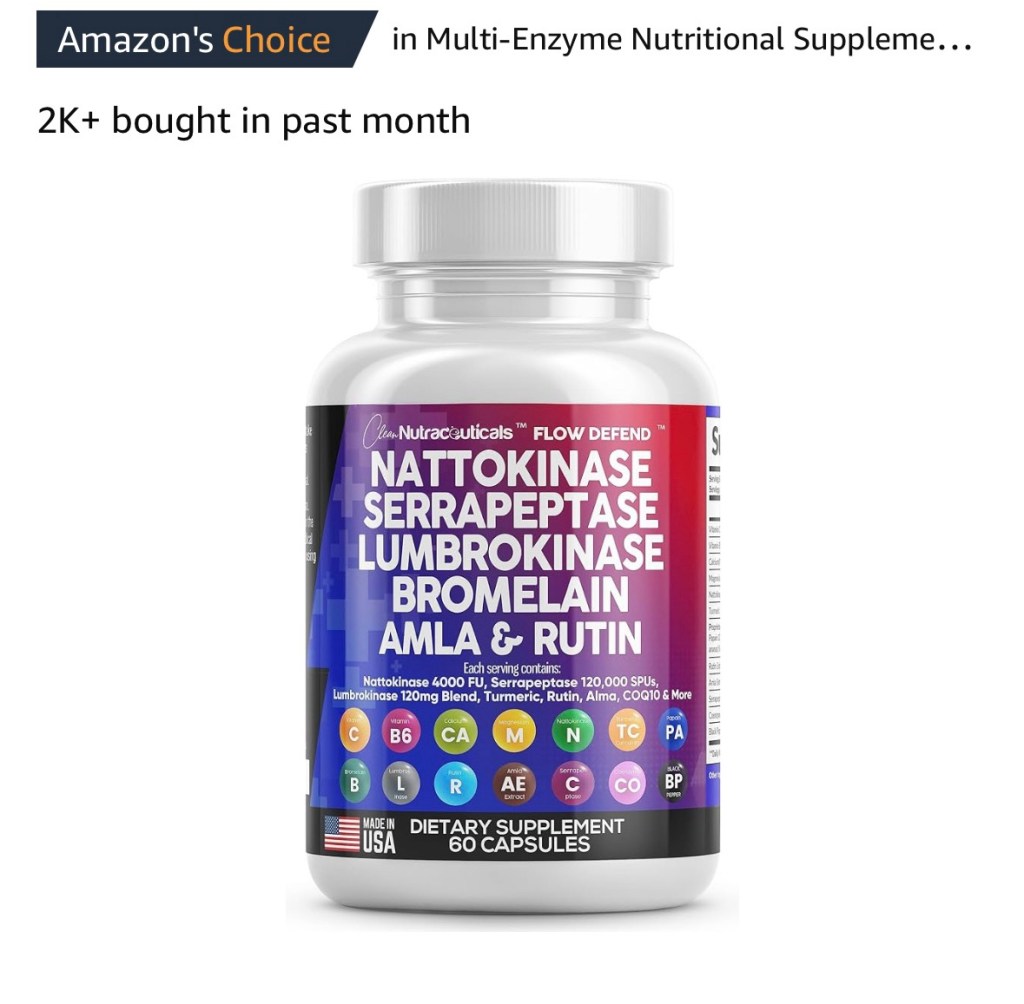
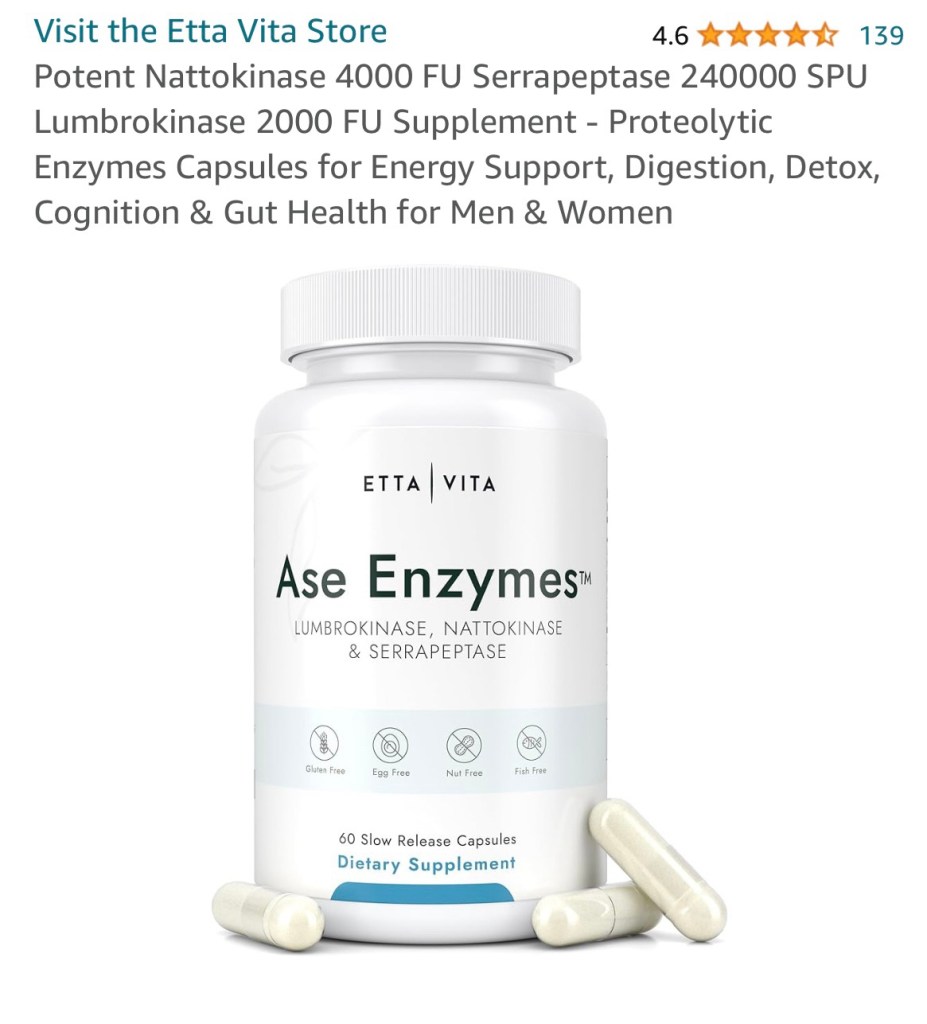
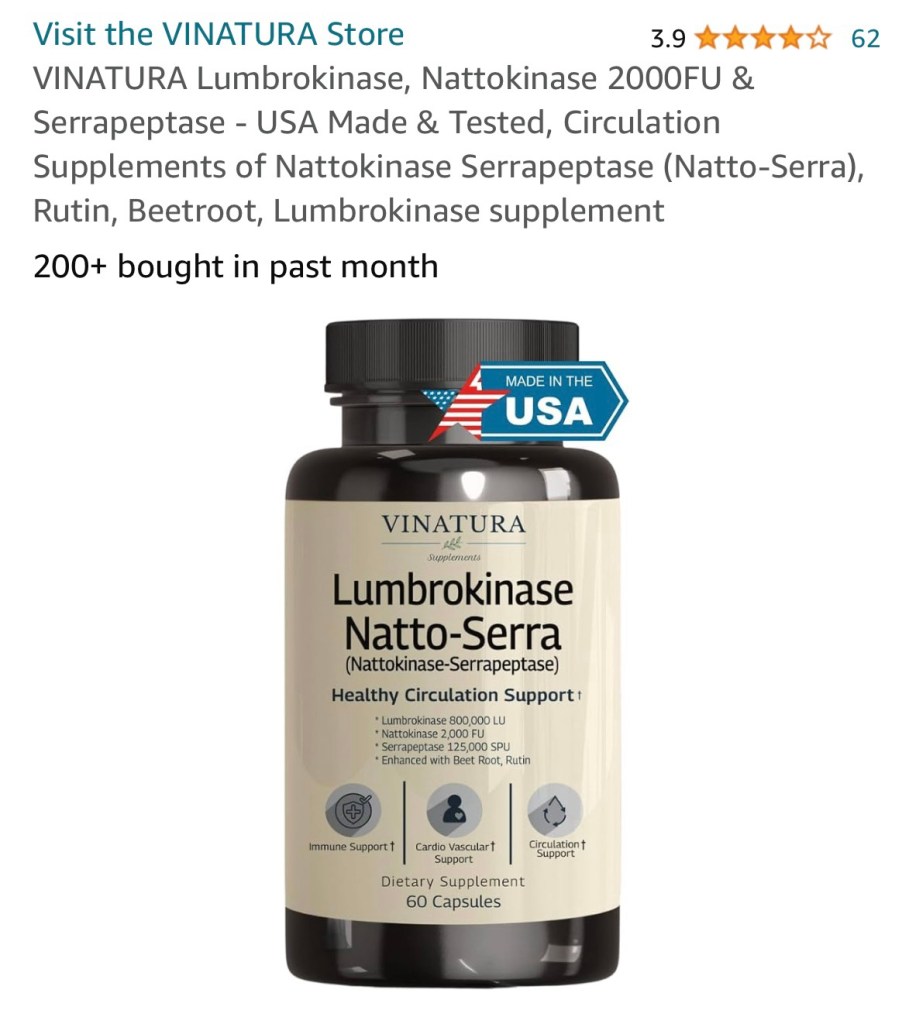
Nattokinase is available from Amazon
 Effective Thinking